

How does fly fishing in Scotland work?
Short answer: The method follows the fish and water. Salmon fishing often uses a wet fly swung across a pool with a double-handed rod; trout and grayling fishing may use dry flies, wet flies, nymphs or streamers with a single-handed rod. Permission, local rules and safe access must be arranged before choosing tackle.
There is no single “Scottish setup.” A broad lower Tay salmon pool, a fast Dee run, a Spey beat and an upper Tweed trout glide present different casting and presentation problems. Good preparation starts with dates, species, river, beat and likely flow—not a shopping list.
Methods by target species
Salmon
Cast across or down-and-across, establish a controlled swing and allow the fly to travel through likely lies. Angle, mend, line density and current determine speed and depth. Move methodically through the pool unless instructed otherwise.
Sea trout
Daytime wet-fly or streamer fishing can be productive in suitable conditions, while some fisheries specialise in dusk or night. Low-light fishing demands prior knowledge of banks, obstacles and exit routes.
Brown trout
Match visible behaviour. Surface rises invite dry flies; subsurface movement may favour wet flies or emergers; nymphing covers deeper feeding lanes; streamers imitate small fish.
Grayling
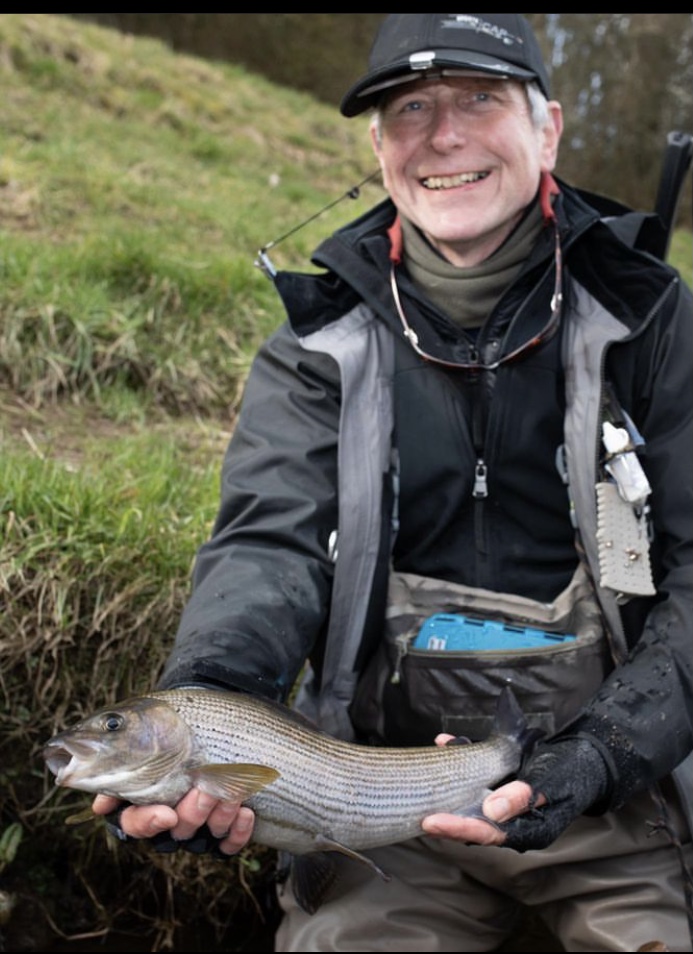
Grayling often hold in defined current lanes and can feed through cold weather. Dry flies work during surface activity, while nymphs reach deeper water. Winter anglers must avoid salmon spawning gravel.
What tackle is typically used?
| Fishing | Typical rod family | Line considerations | Other essentials |
|---|---|---|---|
| Large-river salmon | 12–15 ft double-handed rod | Spey line or shooting head; floating, intermediate or tips | Strong leader, suitable flies, large rubberised net |
| Smaller salmon water | Switch or shorter double-handed rod | Compact head or integrated line | Tips matched to depth and fly |
| River trout | 8.5–10 ft, often 4–6 weight | Floating line; specialist nymph line optional | Leaders, dry flies, wets, nymphs and streamers |
| Grayling nymphing | Longer light rod, often 10–11 ft | Fly line or specialist leader within local rules | Small nymphs, indicators where permitted, forceps |
These are orientation ranges, not prescriptions. The guide should supply or confirm equipment suited to the chosen water.
Read the river before casting
Look for changes in depth, speed and structure: seams between currents, the tails and heads of pools, boulders, ledges, undercut banks and channels. Salmon often rest where energetic cost is reduced while migration remains possible. Trout and grayling position where drifting food can be intercepted efficiently.
Observe before entering the water. Wading can disturb the closest lies, so fish near water first where appropriate. Watch for rises, insect activity, coloured water, floating debris and sudden height changes.
Wading and river safety
- Follow the guide or ghillie's boundary and wading instructions.
- Use a wading belt and staff where appropriate.
- Move one foot at a time and test the next foothold.
- Do not wade deeper to compensate for casting problems.
- Plan how a hooked fish can be landed before starting the pool.
- Stop during unsafe rises, lightning or excessive heat.
- Clean and dry equipment before moving between catchments.
What should a guided day include?
A well-planned day begins before arrival. The organiser should ask about dates, target species, experience, mobility, party size and equipment. The confirmed plan should explain meeting point, permit, clothing, included tackle, likely method and any realistic alternative if the river becomes unsuitable.
On the water, instruction can include roll casting, Spey casting, line management, fly choice, water reading, safe wading, playing fish and catch-and-release. Beginners should expect the pace to adapt to them; experienced anglers should expect local information rather than a generic casting lesson.
River etiquette and fish care
Respect beat boundaries and the rotation used on the fishery. Do not step into a pool ahead of another angler, crowd the next rod or cast across boats and other water users. Allow paddlers to pass safely and communicate clearly.
Fish welfare starts with appropriate tackle. Play fish firmly, use a rubberised net, keep them in water and minimise photography. Catch-and-release is not merely putting a fish back; it is a sequence designed to maximise survival.
Questions answered
Can a complete beginner fly fish in Scotland?
Yes. A suitable guide can provide tackle and teach casting, water reading and fish handling on water matched to the beginner's mobility and confidence.
Is equipment normally included?
It can be. Best Fishing Scotland can arrange rods, reels, lines, flies, waders and boots, but inclusions should be confirmed for the specific booking.
Do I need to learn Spey casting first?
No. It can be taught during a guided salmon day. Basic roll-cast and line-control skills provide a useful foundation.
What should I wear?
Use layered, weather-resistant clothing, eye protection, a brimmed hat and suitable waders or boots. Scotland can change from sun to rain quickly.
Can river conditions cancel fishing?
Yes. Flood, unsafe wading, excessive temperature or other conditions may require a different beat, species, stillwater alternative or postponement.
Sources and further research
This page distinguishes stable background information from rules that can change. For legal requirements and current river policy, use the linked primary source and the permit issued for your fishing.
- Scottish Government: Recreational fishing — accessed for this guide; last checked 15 August 2026.
- Scottish Outdoor Access Code: Fishing — accessed for this guide; last checked 15 August 2026.
- Fly Fishers International: Fly-casting definitions — accessed for this guide; last checked 15 August 2026.
- Fisheries Management Scotland: Catch and release — accessed for this guide; last checked 15 August 2026.
- Dee District Salmon Fishery Board: Fish the River Dee — accessed for this guide; last checked 15 August 2026.