

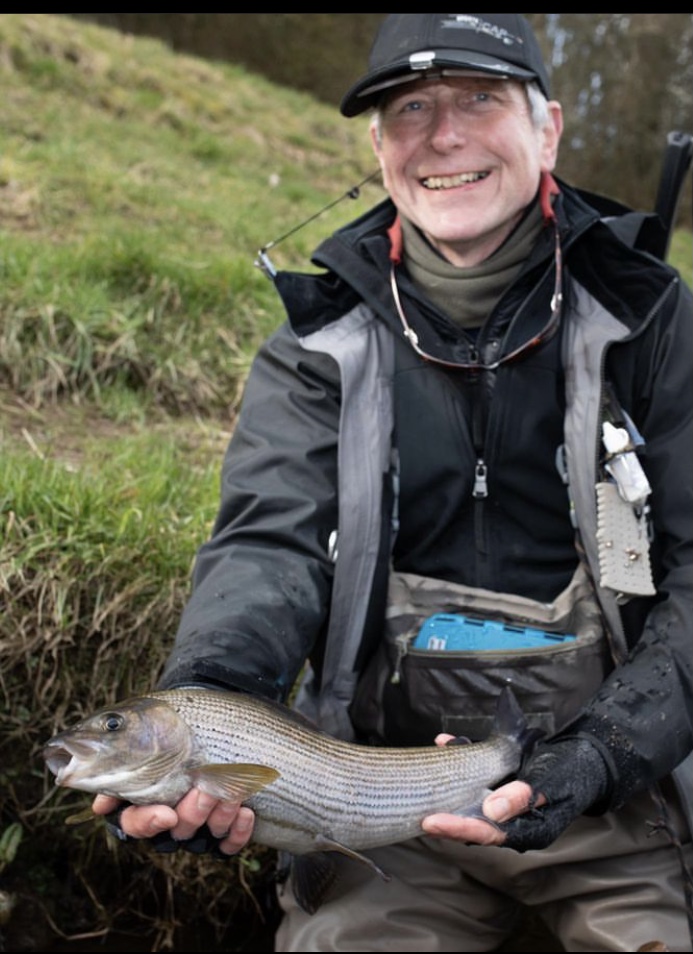
Can one trip include the Tay, Spey, Dee and Tweed?
Short answer: Yes, but not efficiently in four consecutive single nights. The rivers sit in different regions and have different season dates and flow responses. A realistic itinerary groups fishing into regional bases, allows recovery and keeps at least one day flexible for weather, water or touring.
Five principles for a multi-river route
- Choose dates by season overlap. The four rivers do not share identical openings or closings.
- Use regional bases. Moving hotel every night consumes fishing energy.
- Fish suitable water, not a checklist. One river may be unsafe while another is viable.
- Build rest and touring time. Full salmon days and long drives are a poor combination.
- Arrange every permission. A national itinerary is still a sequence of named fisheries.
A practical nine-night route framework
| Night/day | Base and activity | Reason |
|---|---|---|
| Nights 1–2 | Edinburgh or Scottish Borders; Tweed fishing | Combines arrival recovery with the southern river |
| Nights 3–4 | Perthshire; Tay fishing and one flexible day | Avoids crossing central Scotland before dawn |
| Nights 5–6 | Speyside; Spey fishing | Puts the guest near the beat and Spey-casting context |
| Nights 7–9 | Deeside or Aberdeen; Dee fishing and departure buffer | Allows river alternatives and sensible onward travel |
This is a route framework, not a package or availability statement. Reversing it may fit flights and river dates better.
How to shorten the trip without turning it into a race
For six or seven nights, select two regions rather than claiming all four. Edinburgh/Tweed plus Perthshire/Tay creates a central-southern route. Speyside plus Deeside creates a northeast route. A three-river trip can work where one central transfer day is deliberately left unfished.
Quality of water, instruction and recovery usually produces a better experience than collecting river names.
Find the useful season overlap
The Tay’s salmon season reference begins in January and closes in October; the Dee runs from February into October with an earlier upper-river close; the Spey runs from February to September; and the Tweed extends from February into November. A legal overlap exists for much of the core season, but the type and timing of salmon runs differ.
Use the month-by-month planner, then ask the organiser which two or three systems best fit the actual dates.
Design alternatives before the weather arrives
Large catchments respond differently to rainfall. A plan can identify a preferred river, a realistic secondary water and a non-fishing option. Alternatives remain subject to permission and guide availability; flexibility is not a promise that another prime beat will be empty at short notice.
High or warm water may require a different section, species, casting lesson or rest day. Conservation takes priority over completing a four-river scorecard.
Travel with fewer tackle assumptions
Rods, reels, lines, flies, waders and boots can be arranged, which helps overseas visitors avoid transporting multiple systems. If bringing gear, describe rod lengths and line ratings so the guide can identify gaps. Clean and dry all equipment before entering Scottish waters.
A small personal kit—layers, waterproofs, glasses and preferred gloves—often matters more than a suitcase of flies.
The information needed to price and check the trip
- Arrival and departure airports, dates and times.
- Number of anglers and non-anglers.
- Priority rivers and whether they are flexible.
- Experience with double-handed rods.
- Mobility, equipment sizes and transfer needs.
- Accommodation standard and touring interests.
- Budget range and appetite for exclusive water.
With those details, Best Fishing Scotland can check real water and guiding rather than sell an abstract itinerary.
Questions answered
How many days are needed to fish the Tay, Spey, Dee and Tweed?
Nine or more nights gives a more realistic framework. Shorter trips are usually better when focused on two or three rivers.
Which order should I fish the four rivers?
A south-to-north route can run Tweed, Tay, Spey and Dee, but flights, dates and availability may make the reverse or a reduced route better.
Can river bookings be changed for high water?
Alternatives may be possible but depend on permission, availability and booking terms. Discuss the condition policy before confirming.
Do I need to bring four different salmon outfits?
No. Appropriate tackle can be arranged, and a guide can adapt systems to each river.
Can non-anglers join a four-river tour?
Yes, with deliberate touring and accommodation planning. They should not be expected to wait at remote beats every day.
Sources and review method
Rules, river conditions and conservation categories can change. This guide uses official public bodies and first-party river managers for factual claims; practical planning advice is identified as Best Fishing Scotland field experience. The permit and fishery instructions issued for your day always take precedence.
- Tay Rivers: Angling — checked 15 August 2026.
- Spey Fishery Board: Angling guidelines — checked 15 August 2026.
- River Tweed Commission: Salmon fishing — checked 15 August 2026.
- Dee District Salmon Fishery Board: Fish the River Dee — checked 15 August 2026.
- Scottish Government: Conservation of wild salmon and 2026 rules — checked 15 August 2026.
- Scottish Government: Gyrodactylus salaris — checked 15 August 2026.
First-hand source: Bill Drew’s owner-supplied regional, transfer, equipment and exclusive-water planning notes, reviewed 15 August 2026.