

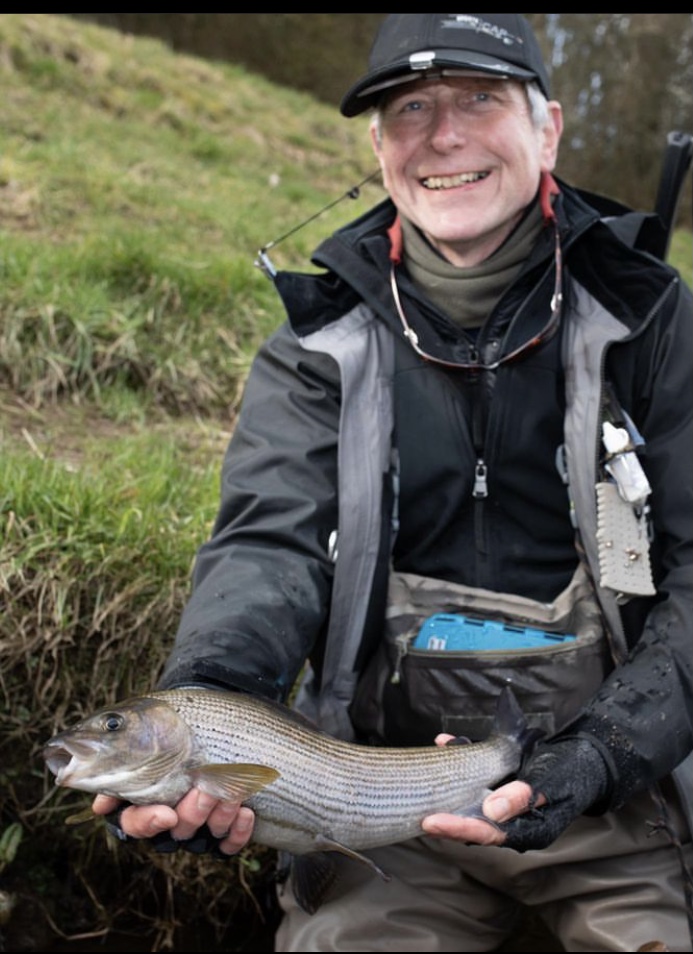
Can a complete beginner go salmon fishing in Scotland?
Short answer: Yes. A beginner does not need to arrive with Spey-casting experience or specialist tackle. A well-planned guided day supplies an appropriate outfit, explains safe movement and fish care, and teaches enough casting and line control to fish effectively. The water must be chosen for the learner, not merely for its fame.
What the organiser needs before choosing water
Dates and target species are only the start. A guide needs to know whether you have fly-fished, which hand you cast with, how comfortable you are on uneven ground and whether you have any balance or joint limitations. Equipment sizes should be supplied in normal measurements rather than guessed on the riverbank.
Suitable teaching water usually offers safe access, manageable casting space and time to repeat movements. A prestigious beat with difficult banks may be a poorer beginner choice.
What happens during a first salmon day
- Safety and boundaries: meet the guide, understand the beat, bank hazards and emergency plan.
- Balanced tackle: learn the rod, reel, line, leader and fly as one system.
- Core cast: practise a roll or switch-cast movement before adding direction.
- Fish the pool: cast at a useful angle, control the line and step through the water.
- Adjust: change fly depth, pace or position when conditions require it.
- Fish care: know how a salmon will be played, landed, unhooked and released before one takes.
Spey casting without the mystery
A Spey cast uses the water to anchor part of the line while a D-loop forms behind the rod, allowing a change of direction without a conventional overhead back cast. Beginners should focus on quiet fundamentals: stop the rod, maintain tension, place a small stable anchor and keep the fly on the safe downwind side.
One upstream-anchor and one downstream-anchor solution are more useful than rushing through every named cast. The full Spey-casting guide explains wind choices.
Tackle can be supplied and explained
| Item | What matters to a beginner |
|---|---|
| Rod | Length and weight suited to the river, not maximum size |
| Line | A balanced head and tip that loads predictably |
| Leader and fly | Safe turnover and appropriate depth |
| Waders and boots | Correct fit, secure footing and no unnecessary deep wading |
| Glasses and hat | Essential protection around moving hooks |
Best Fishing Scotland can arrange rods, reels, lines, flies, waders and boots when agreed in advance.
Dress for changing weather, not the hotel forecast
Use several thin layers, breathable trousers or thermals and a waterproof shell. Avoid cotton jeans inside waders because they become cold and restrictive when damp. Bring warm socks, a brimmed hat, polarised protective glasses and any medication.
A small dry bag with spare layers is more useful than one very heavy garment. The guide can advise what belongs in the car and what should be carried.
A salmon is possible, never promised
Atlantic salmon are migratory wild fish. Their presence and willingness to take are affected by river height, temperature, timing and countless variables. No responsible guide can guarantee a catch.
Measure a first day by skills learned, water understood and a safe, enjoyable experience. If a salmon takes, use steady pressure and follow the guide rather than trying to remember every instruction at once.
Prepare for release before the first cast
Current best practice is to keep salmon submerged, minimise touching and avoid unnecessary photography or weighing. Use tackle strong enough to land the fish efficiently. Salmon are stressed by warm water; current national guidance advises avoiding fishing above 20°C.
The guide or ghillie should lead the release. A beginner can help most by listening, keeping movements calm and not lifting the fish for a photograph.
Questions answered
Do I need fly-fishing experience before salmon fishing?
No. A guide can teach the essentials, although previous line-control or roll-casting experience helps.
Is salmon fishing equipment included?
It can be. Confirm rods, reels, lines, flies, waders and boots when booking and provide accurate sizes.
Will I have to wade?
Not necessarily. The guide should choose bank, boat or manageable wading according to the water and your mobility.
How long does it take to learn Spey casting?
Most beginners can learn a useful foundation during a guided day. Consistency develops through practice rather than collecting named casts.
Is a salmon guaranteed on a guided day?
No. Salmon are wild migratory fish, and catches cannot responsibly be guaranteed.
Sources and review method
Rules, river conditions and conservation categories can change. This guide uses official public bodies and first-party river managers for factual claims; practical planning advice is identified as Best Fishing Scotland field experience. The permit and fishery instructions issued for your day always take precedence.
- Fly Fishers International: Fly-casting definitions — checked 15 August 2026.
- Scottish Government: Recreational fishing — checked 15 August 2026.
- Scottish Government: Conservation of wild salmon and 2026 rules — checked 15 August 2026.
- Fisheries Management Scotland: Catch-and-release best practice — checked 15 August 2026.
- Scottish Outdoor Access Code: Using inland water responsibly — checked 15 August 2026.
First-hand source: Best Fishing Scotland’s supplied service information and guide experience with first-time anglers, equipment and adapted tuition, reviewed 15 August 2026.