

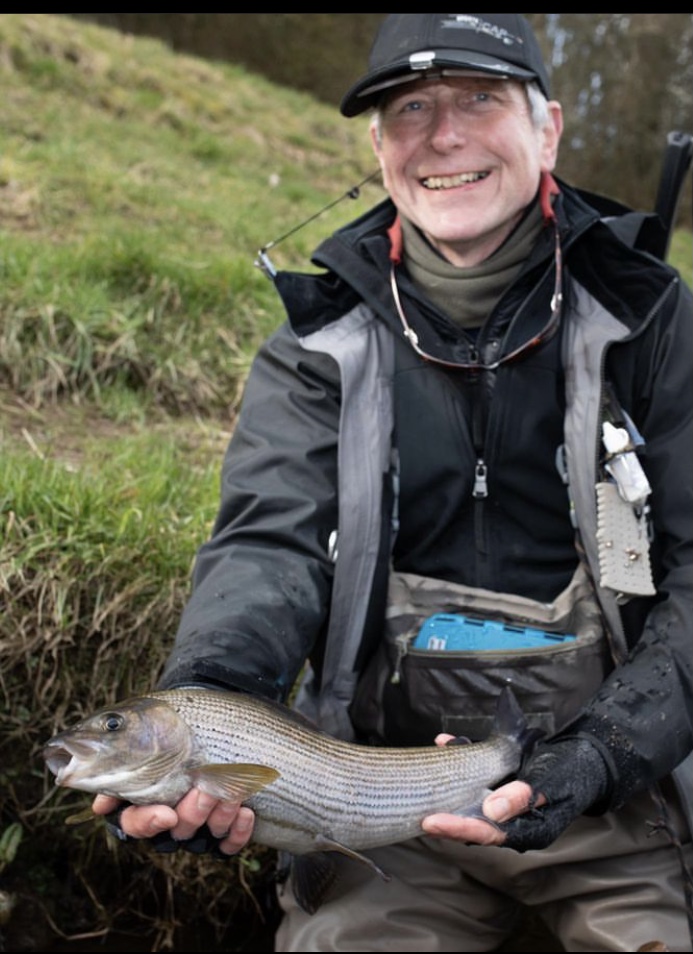
Which fish are targeted in Scottish rivers?
Short answer: Atlantic salmon and sea trout migrate between rivers and the sea. Brown trout are the same species as sea trout but remain resident in freshwater. Grayling are freshwater salmonids found in selected Scottish catchments, notably parts of the Tay and Tweed systems.
| Fish | Scientific name | Life strategy | Common fly approach | Key care point |
|---|---|---|---|---|
| Atlantic salmon | Salmo salar | River juvenile; ocean-feeding adult; returns to freshwater to spawn | Swung wet fly with single- or double-handed rod | Strong catch-and-release practice; keep submerged |
| Sea trout | Salmo trutta | Migratory form of brown trout; coastal marine feeding | Wet fly, streamer and low-light methods where permitted | Distinguish from salmon and check local rules |
| Brown trout | Salmo trutta | Resident freshwater form | Dry fly, wet fly, nymph or streamer | Observe the trout close season and fishery rules |
| Grayling | Thymallus thymallus | Resident freshwater salmonid | Dry fly and nymph | Avoid salmon redds during winter fishing |
Atlantic salmon
Atlantic salmon spawn in river gravel, usually from autumn into winter. Eggs hatch into alevins, which remain in the gravel before emerging as fry. As side markings develop they are called parr. After one to several years, physiological changes produce silver smolts capable of living at sea.
Smolts migrate downstream in spring. Adults feed at sea and return to their native river system with remarkable accuracy. A fish returning after one sea winter is generally called a grilse; multi-sea-winter fish have spent two or more years at sea. “Spring salmon” usually describes fish entering Scottish rivers from January through June.
These different life-history groups can coexist within one river. That makes catchment connectivity, cool water, spawning gravel and marine survival all relevant to the adult fishery.
Sea trout
Sea trout and brown trout are not separate species. Both are Salmo trutta; sea trout adopt a migratory life strategy. Juveniles develop into smolts and move to sea, but generally use coastal feeding areas rather than the distant ocean grounds used by many salmon.
Sea trout may enter rivers in spring and summer, with fishing often associated with dusk, night or low-light conditions. This is specialised fishing: safe movement, knowledge of the pool and explicit permission for the time and method are essential.
Brown trout
Brown trout are native and highly variable. River residents may occupy a small territory, move between tributary and main stem, or adopt specialised feeding strategies. Scotland also contains loch forms, including large fish-eating ferox populations of conservation interest.
River trout feed on aquatic invertebrates, terrestrial insects and sometimes fish. Dry-fly fishing responds to visible surface feeding; wet flies imitate emerging or drowned insects; nymphs fish subsurface life stages; and streamers can represent small fish. The most useful first question is not “which fly?” but “where and how are trout feeding now?”
Grayling
Grayling are recognised by a tall, colourful dorsal fin and are often called the “lady of the stream.” They favour clean, flowing water and feed heavily on aquatic insects. Their ability to feed in cold conditions supports winter fly fishing where local access allows.
Distribution reflects both natural range and historic introduction. Tay Rivers records grayling introduction to the Tay near the end of the nineteenth century; the species subsequently spread through the main river and larger tributaries. The Tweed also has an established and managed trout-and-grayling fishery.
Match method to fish and water
- Salmon: cover likely lies systematically with a controlled swing; change depth and speed before assuming distance is the answer.
- Sea trout: prioritise safe access and low-light awareness; tackle and fly size vary greatly by river and flow.
- Brown trout: observe rises, insect drift and current seams; select dry, wet, nymph or streamer methods accordingly.
- Grayling: dry flies suit surface feeding; nymphs reach deeper lanes, especially in cold water.
Identification and fish welfare
Misidentification can breach local conservation rules. Salmon often have a narrower wrist to the tail and fewer spots below the lateral line than sea trout, but variable fish should be handled as conservatively as possible and checked by the guide or ghillie.
Use tackle strong enough for the target, land fish in a knotless rubberised net, wet hands if touch is unavoidable, keep the fish supported and submerged, and release it facing gentle flow once it can maintain balance. Avoid placing fish on grass, gravel or dry banks for photography.
Questions answered
Are sea trout and brown trout the same species?
Yes. Both are Salmo trutta. Sea trout migrate to coastal marine feeding areas, whereas resident brown trout remain in freshwater.
What is the difference between a grilse and a salmon?
A grilse is an Atlantic salmon returning after one sea winter. Multi-sea-winter salmon have spent two or more years feeding at sea.
Are grayling native throughout Scotland?
No. Their distribution varies and includes historically introduced populations, such as the Tay population recorded as introduced in the late nineteenth century.
When do Scottish salmon spawn?
Spawning generally occurs in autumn and winter, with local timing extending from October into February in some systems.
Which species is best for a beginner?
Brown trout or grayling on manageable water can provide an accessible introduction, but conditions and teaching water matter more than a fixed species rule.
Sources and further research
This page distinguishes stable background information from rules that can change. For legal requirements and current river policy, use the linked primary source and the permit issued for your fishing.
- NatureScot: Atlantic salmon — accessed for this guide; last checked 15 August 2026.
- NatureScot: Brown trout and sea trout — accessed for this guide; last checked 15 August 2026.
- Tay Rivers: Angling — accessed for this guide; last checked 15 August 2026.
- River Tweed Commission: Trout angling associations — accessed for this guide; last checked 15 August 2026.
- Fisheries Management Scotland: Catch and release — accessed for this guide; last checked 15 August 2026.