

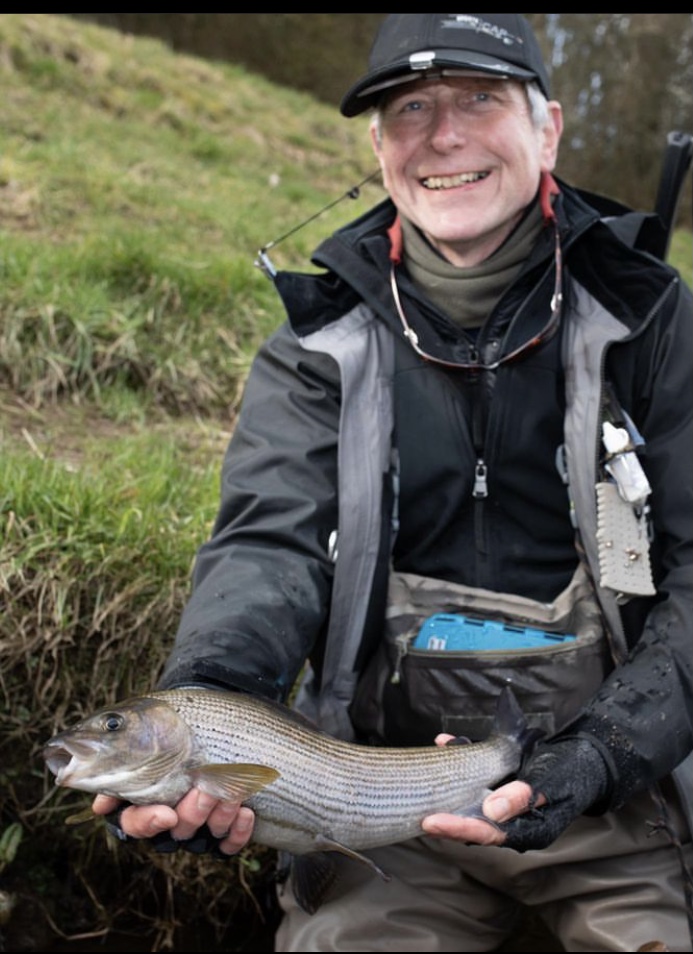
Where can anglers fish for winter grayling in Scotland?
Short answer: Established grayling populations occur in systems including the Tay, Tweed and Annan, but distribution and legal fishing are not universal. Choose named water with explicit grayling permission. Winter methods commonly include nymph fishing in deeper seams, with dry-fly opportunities during mild-weather insect activity.
Choose a known grayling river and legal water
The Tay and Tweed systems contain important grayling fishing, and the River Annan Trust describes a recognised winter fishery. That does not mean every beat on those rivers sells grayling access. Some salmon water closes completely; associations and estates define their own permissions.
Ask for the exact boundaries, permitted methods, number of flies, hook rules and any catch limits. Carry proof of permission.
Read winter holding water
Grayling may gather in water that offers depth, manageable current and nearby food. Look at pool tails, creases, drop-offs and glides rather than assuming the deepest hole always holds fish. Start close and cover a lane methodically before extending.
Cold conditions can reduce obvious surface activity, so absence of rises does not mean absence of feeding. A small change in light or temperature may create a brief window.
Nymph methods for depth and contact
Nymphing aims to carry suitable imitations through the feeding layer with controlled drag. Adjust leader length, fly weight or position before adding excessive weight. Keep contact without pulling the flies unnaturally.
Small dark or olive nymphs, caddis profiles and general hare’s-ear-like patterns are useful starting points. The permit decides whether one or more flies and indicators are allowed.
Dry-fly chances still occur in winter
On mild days, tiny midges or other insects can bring fish to the surface. Rise form helps distinguish a fish taking in the film from one taking adults. Use a fine but sensible tippet, a sparse fly and slack enough for a drag-free drift.
Do not spend the day locked into a method. Carry a dry-fly leader ready to change when fish reveal themselves.
A balanced winter grayling outfit
| Item | Practical choice |
|---|---|
| Rod | A light single-handed river rod with enough reach for line control |
| Line | Floating line for most dry-fly and nymph systems |
| Leader | Adjustable to depth and method without becoming unmanageable |
| Flies | Small nymphs, emergers and dry flies in a compact range |
| Landing net | Rubberised, clean and sized for efficient release |
Avoid salmon redds and spawning disturbance
Salmon spawn in gravel during autumn and winter. Redds may appear as cleaner, disturbed patches, but they are not always obvious. Follow local guidance, avoid walking through likely spawning gravels and do not fish directly for out-of-season salmon.
Grayling fishing should not impose damage on the wider river system. If unsure, remain on the bank or use established crossing points identified by the fishery.
Cold-weather safety sets the session length
- Wear several thin insulating layers and a waterproof shell.
- Carry spare dry gloves and clothing.
- Plan around daylight and avoid rushing back across water at dusk.
- Do not wade if ice, rising flow or numbness reduces control.
- Keep a phone accessible in a waterproof pocket.
- Finish before cold compromises judgement or fish handling.
Handle grayling efficiently in cold air
Land fish promptly, keep them in the water and minimise handling. Cold air can be harsh on wet tissue, so prepare the camera before lifting—if any photograph is necessary—and release promptly. Use forceps and barbless hooks where required or appropriate.
Questions answered
What Scottish rivers have grayling?
Established fisheries occur in systems including the Tay, Tweed and Annan, but distribution and fishing access vary.
What flies work for winter grayling?
Small dark or olive nymphs, caddis-like patterns, emergers and tiny dries are useful starting points. Match depth and observed food.
Can I dry-fly fish for grayling in winter?
Yes when mild conditions produce surface activity. Watch rise forms and be ready to change from nymph tactics.
Do I need a permit for grayling?
Yes. Obtain permission for the named water and follow its season, method and catch rules.
How do I avoid salmon redds?
Follow local guidance, avoid visibly disturbed clean gravel and minimise winter wading in likely spawning areas.
Sources and review method
Rules, river conditions and conservation categories can change. This guide uses official public bodies and first-party river managers for factual claims; practical planning advice is identified as Best Fishing Scotland field experience. The permit and fishery instructions issued for your day always take precedence.
- River Annan Trust: Grayling fishing — checked 15 August 2026.
- River Annan Trust: Fish of the River Annan — checked 15 August 2026.
- River Tweed Commission: Grayling angling code — checked 15 August 2026.
- Tay Rivers: Angling — checked 15 August 2026.
- The Riverfly Partnership: Riverflies overview — checked 15 August 2026.
- Scottish Government: Recreational fishing — checked 15 August 2026.
- Scottish Outdoor Access Code: Fishing — checked 15 August 2026.