

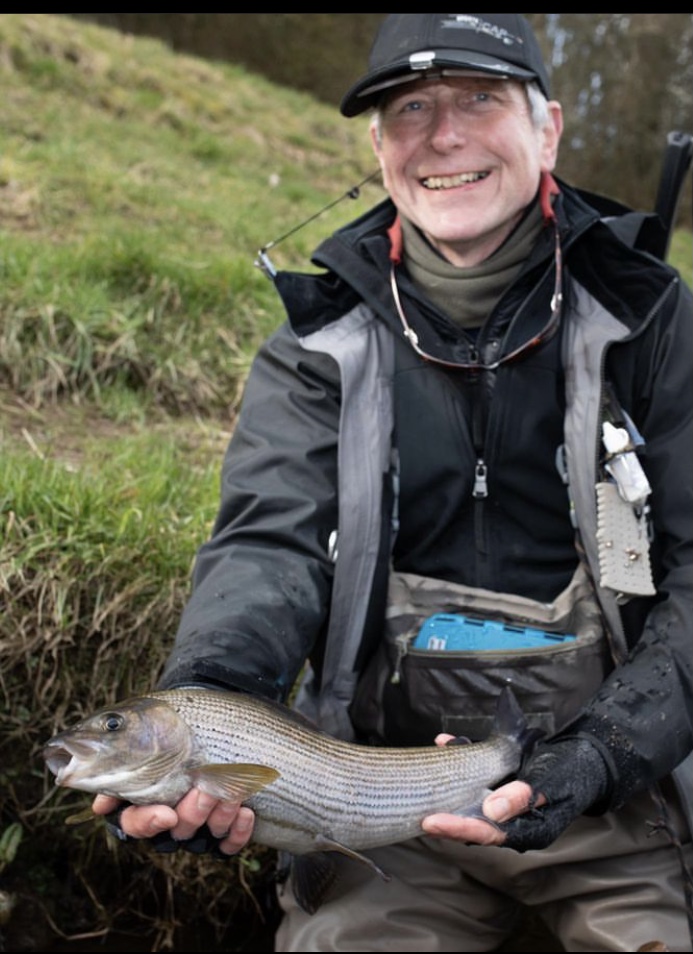
Which trout flies should I bring to Scotland?
Short answer: Bring a compact range of dry flies, emergers, wet flies and nymphs in several sizes rather than dozens of named patterns. Scottish trout commonly feed on mayflies, caddisflies, stoneflies and midges, along with terrestrial insects and small fish. Observe the water, then match stage and behaviour before exact colour.
Select by stage, size, shape and movement
- Stage: nymph or larva, emerger, adult, spinner or spent insect.
- Size: match the natural’s approximate body length before obsessing over shade.
- Shape: slim, broad, winged, cased or mobile profiles create different cues.
- Movement: dead drift, lift, swing, skate or pulse according to the natural.
- Depth: put the imitation where fish are feeding without losing control.
This framework transfers between Scottish rivers better than a claim that one branded pattern is always “best”.
Mayflies, caddisflies and stoneflies matter
The Riverfly Partnership groups up-winged flies or mayflies, caddisflies or sedges, and stoneflies as key riverfly groups. They spend much of their life cycle in freshwater and are important parts of aquatic food webs. Species-level identification can be difficult; anglers can still make sound decisions from broad group, size and behaviour.
| Natural | Useful imitation type | Clue on the water |
|---|---|---|
| Mayfly nymph or dun | Slim nymph, emerger or upright-wing dry | Ascending insects or steady surface rises |
| Caddis larva, pupa or adult | Cased/free-living nymph, pupa or sedge dry | Active emergers, skittering adults, splashy takes |
| Stonefly nymph or adult | Weighted nymph or low-floating dry | Nymphs near stony margins; adults crawling to emerge |
| Midge | Tiny larva, pupa or sparse dry | Fine rises and small insects, often in calmer water |
Dry flies and emergers for rising trout
When trout rise, identify whether they take adults on the surface, emergers in the film or spent insects. A high-floating fly is easy to see in broken water; a sparse emerger may better match quiet glides. Present upstream or across with enough slack to prevent drag.
Common useful profiles include olive and dark up-wing dries, sedge shapes, midges and general terrestrial patterns. Exact local names are less important than an appropriate silhouette and drift.
Nymphs for subsurface feeding
Most riverfly life happens below the surface, so nymphs remain relevant when no hatch is visible. Weight should be only enough to reach the feeding layer while preserving contact and a natural path. On a short line, watch the leader or indicator; at distance, mend for controlled drift.
Carry slim dark and olive nymphs, hare’s-ear-like general profiles, caddis shapes and a few heavier options. Use the hook and number of flies permitted by the fishery.
Wet flies and spiders cover moving water
Soft-hackled wet flies can suggest ascending insects without copying one species precisely. They may be fished across and down, upstream or through seams, with line control determining depth and speed. A team of flies is not legal or suitable everywhere; check the permit.
Traditional names are part of angling culture, but their value comes from profile and movement. A simple sparse fly presented well can outperform a complicated box.
Season changes the starting box—not the final choice
| Period | Useful starting range | Then observe |
|---|---|---|
| Early spring | Small dark nymphs, olives, March-brown profiles | Short hatches and cold-water feeding windows |
| Late spring | Olives, caddis, larger up-winged profiles | Actual emerging stage and rise form |
| Summer | Sedges, small dries, terrestrials, light nymphs | Low water, evening activity and temperature |
| Autumn | Smaller dries, wets and nymphs | Closing dates and spawning behaviour |
| Winter grayling | Small nymphs and occasional tiny dries | Depth, pace, daylight and safe access |
A sensible visiting angler’s fly box
- Dry flies: upright-wing olive/dark profiles, sedges, midges and terrestrials.
- Emergers: sparse film patterns in several sizes.
- Nymphs: slim dark, olive and hare’s-ear-like flies, plus limited heavier options.
- Wet flies: soft-hackled spiders and a few traditional river patterns.
- Tools: floatant, sinkant, forceps, leader material and a small thermometer.
Ask the guide what is normally supplied. Local knowledge can save luggage space and prevent buying unsuitable flies.
Wild trout handling and river care
Use tackle strong enough to land trout promptly, wet hands only if touching is necessary and keep the fish near the water. Avoid laying it on dry grass or stones. Clean, drain and dry equipment between waters to reduce movement of organisms and disease.
Questions answered
What is the best dry fly for Scottish brown trout?
No single dry fly is always best. Match the current insect stage, approximate size, silhouette and drift; carry olive, dark, sedge, midge and terrestrial profiles.
Do I need traditional Scottish fly patterns?
They can be effective and culturally interesting, but presentation and matching food behaviour matter more than a famous name.
Should I bring bead-head nymphs?
Yes, in a small range of sizes and weights, subject to fishery rules. Use only enough weight to reach the feeding layer under control.
Can I fish multiple flies in Scotland?
Rules vary by fishery and species. Check the permit before using a team of wet flies or nymphs.
Are flies supplied on a guided trout day?
Best Fishing Scotland can arrange flies and suitable tackle when this is confirmed in advance.
Sources and review method
Rules, river conditions and conservation categories can change. This guide uses official public bodies and first-party river managers for factual claims; practical planning advice is identified as Best Fishing Scotland field experience. The permit and fishery instructions issued for your day always take precedence.
- The Riverfly Partnership: Riverflies overview — checked 15 August 2026.
- The Riverfly Partnership: Recording schemes — checked 15 August 2026.
- The Riverfly Partnership: Caddisflies — checked 15 August 2026.
- River Annan Trust: Fishing the Annan — checked 15 August 2026.
- River Don Trust and District Salmon Fishery Board — checked 15 August 2026.
- Scottish Government: Recreational fishing — checked 15 August 2026.
First-hand source: Best Fishing Scotland guide practice for selecting and supplying trout tackle and flies, reviewed 15 August 2026.