

What is the best month to fish in Scotland?
Short answer: There is no single best month. January and February can open salmon seasons on some major rivers; spring brings protected early salmon and increasing trout activity; summer broadens trout and sea-trout options; autumn is important on many salmon rivers; and winter grayling can continue after salmon and trout seasons close. Your target species and river decide the answer.
The Scottish fishing year at a glance
| Months | Common planning focus | Main constraint |
|---|---|---|
| January–February | Opening salmon rivers; winter grayling on permitted water | Cold, short days, high flows and limited open fisheries |
| March–April | Spring salmon; trout hatches begin | All salmon before 1 April must be released; weather varies sharply |
| May–June | Brown trout, salmon and developing sea-trout interest | Hatches and river level vary; long days require pacing |
| July–August | Trout, grilse/salmon and sea trout by river | Low or warm water can require changes or stopping |
| September–October | Salmon on many systems; trout seasons closing | River-specific close dates and spawning awareness |
| November–December | Late Tweed salmon where open; winter grayling | Most salmon rivers closed, cold and reduced daylight |
January and February: openings and winter water
The Tay season reference begins 15 January, while the Dee and Tweed begin in February and the Spey on 11 February. An open date does not guarantee a fishable level, available beat or safe day. Early salmon fishing is generally a low-expectation, high-commitment pursuit for fresh fish in cold water.
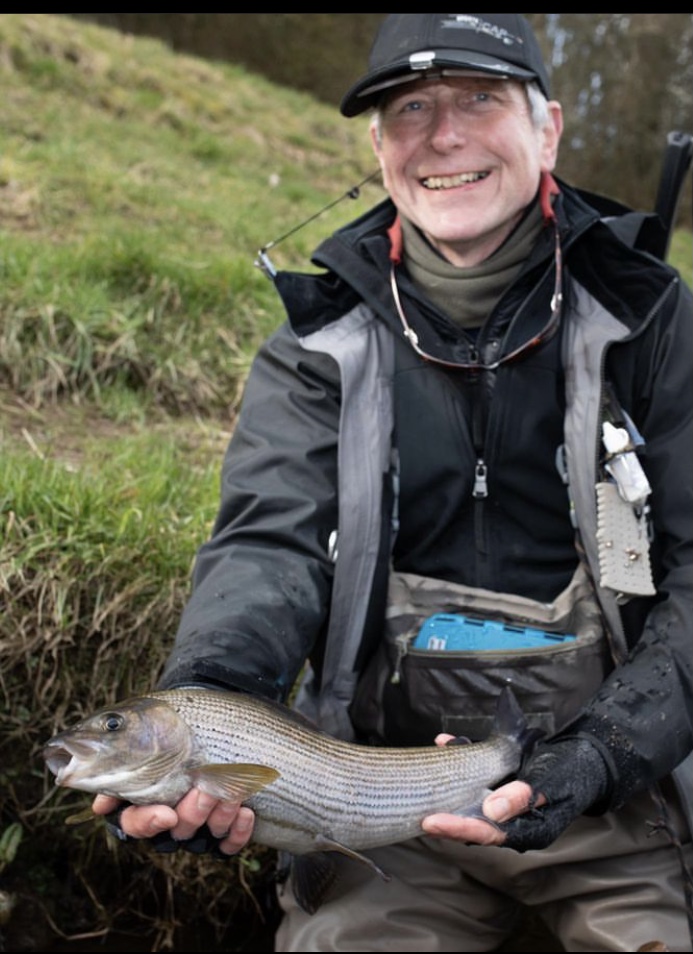
Grayling can offer a separate winter option where permission and local conditions allow. Short daylight makes travel, warm clothing and efficient organisation especially important.
March and April: spring salmon and first trout activity
Spring salmon—often called springers—are valued but vulnerable. Scottish law requires release of salmon caught before 1 April, and local codes may require release for longer. Cold-water tactics often emphasise controlled depth and pace rather than large numbers of casts.
Brown trout begin responding to longer days and insect activity. March browns, olives and other early riverflies can create opportunities, but a cold spell may pause surface feeding. Carry subsurface options and observe before choosing a method.
May and June: long days and broader choice
Late spring and early summer can be productive for wild trout, with mayflies, caddisflies and other insects appearing according to river and weather. Salmon remain a target on many systems, and sea-trout interest develops on rivers with suitable runs.
Long daylight does not mean fishing continuously. Build rest, food and travel into the plan. If evening or night sea-trout fishing is proposed, learn the bank in daylight and use a guide familiar with the water.
July and August: summer opportunity with temperature limits
Summer can bring grilse, salmon, trout and sea-trout opportunities, but low water and heat change both technique and welfare. Fisheries Management Scotland says salmon become stressed when water reaches 18°C and advises avoiding fishing above 20°C. Local managers may suspend fishing sooner.
Early starts, cooler tributaries or a different species may be considered, but conservation and safety—not a pre-paid itinerary—must lead the decision.
September and October: autumn salmon and closing dates
Autumn is a major salmon period on several rivers, while the Spey closes at the end of September and the Dee and Tay close during October under their current season frameworks. Trout dates also close, often before winter grayling interest begins.
Autumn colour and rainfall make attractive fishing conditions, but leaves, rising water and shorter days affect line control and footing. Check exact river and beat dates rather than assuming all Scotland remains open.
November and December: late Tweed and grayling focus
The Tweed’s salmon season extends later than the other major rivers in this library, but its own regulation and fishery conditions apply. Elsewhere, post-season attention often shifts to grayling where there is legal, permitted fishing.
Avoid spawning salmon and disturbed gravel. Winter sessions should be proportionate to daylight, air temperature, river height and the angler’s ability to stay warm and move safely.
When to book—and what to keep flexible
Prime beats and exclusive water can have limited availability, so dates should be discussed early. Still, do not construct a plan so rigid that one unsuitable river level ruins the trip. A strong enquiry identifies preferred species and rivers but permits the organiser to recommend alternatives.
- Send a date range rather than one hour-by-hour programme.
- Rank species priorities.
- State mobility and casting experience.
- Decide whether equipment and transfers are needed.
- Confirm the current rules shortly before fishing.
Questions answered
What month is best for salmon fishing in Scotland?
It depends on the river and the type of salmon run. Spring, summer and autumn opportunities differ by catchment; availability, flow and current rules matter as much as the month.
Can I fish in Scotland in winter?
Yes on water and for species that are legally open, such as certain salmon fisheries early or late in their seasons and grayling water with permission.
When is Scottish trout fishing best?
Spring and early summer can bring important hatches, but the best timing varies by river, altitude, temperature and weather.
Are all Scottish salmon rivers open on the same dates?
No. District close times and local fishery periods differ. The Tay, Dee, Tweed and Spey all have different season references.
How early should I book a guided day?
Ask early for prime dates or exclusive water. A flexible date range and river alternatives improve the chance of a suitable plan.
Sources and review method
Rules, river conditions and conservation categories can change. This guide uses official public bodies and first-party river managers for factual claims; practical planning advice is identified as Best Fishing Scotland field experience. The permit and fishery instructions issued for your day always take precedence.
- Scottish Government: Recreational fishing — checked 15 August 2026.
- Scottish Government: Conservation of wild salmon and 2026 rules — checked 15 August 2026.
- Fisheries Management Scotland: Catch-and-release best practice — checked 15 August 2026.
- Tay Rivers: Angling and season information — checked 15 August 2026.
- Spey Fishery Board: Angling guidelines — checked 15 August 2026.
- River Tweed Commission: Salmon fishing — checked 15 August 2026.
- Dee District Salmon Fishery Board: Fish the River Dee — checked 15 August 2026.
- River Annan Trust: Fishing the Annan — checked 15 August 2026.
First-hand source: Best Fishing Scotland’s owner-supplied notes on seasonal trip planning and early booking for exclusive water, reviewed 15 August 2026.