

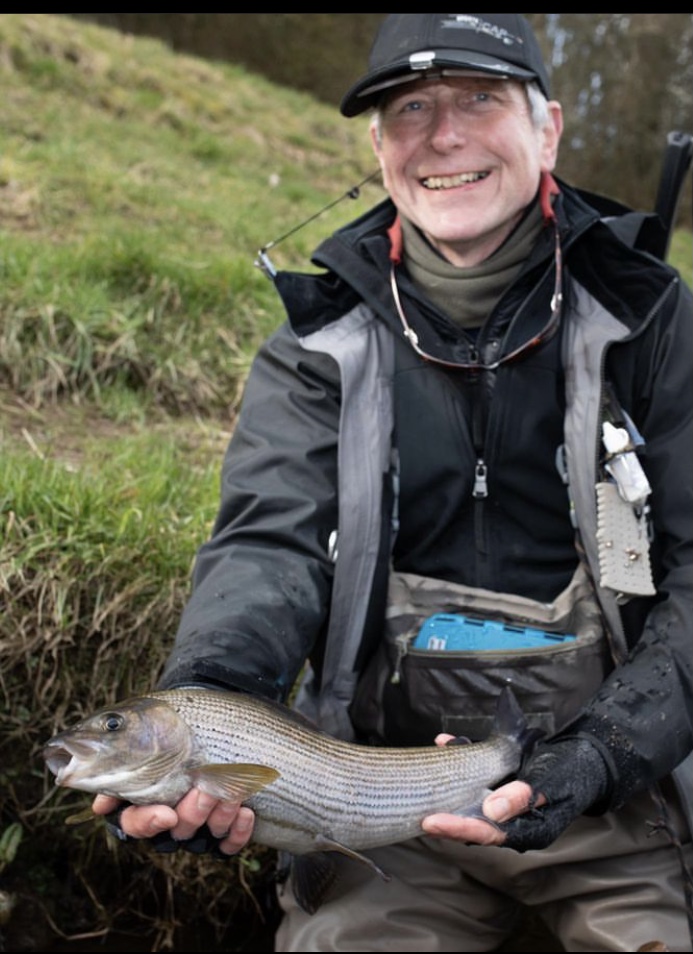
What is the Aberdeenshire Dee known for?
Short answer: The Dee flows about 81 miles from the Cairngorms through Royal Deeside to Aberdeen. It is internationally recognised for fly fishing for wild Atlantic salmon in clear, often fast pools and runs. The river is managed in upper, middle and lower sections whose wading, rod and line requirements differ.
How the Dee changes from source to sea
Upper Dee
Above Aboyne, the river is fast and dynamic, with boulder pocket water and larger runs. The official river guide recommends single-hand, switch and 12–13-foot rods as useful starting points. The upper season closes on 30 September.
Middle Dee
From the Aboyne area towards Banchory, the river has shallow, fast flows broken into recognisable pools, glides and runs. Wading is common and some boat options exist. Rods of roughly 11–14 feet, floating or intermediate lines and interchangeable tips cover many situations.
Lower Dee
Below the Feugh confluence, the river broadens. Gravel bars, deeper glides, boulders and bedrock create varied lies. Longer shooting heads or Spey lines and 13–15-foot rods are common recommendations, while a switch rod can suit low water. Most fishing involves wading, so cold-water clothing and safe footing matter.
Salmon, sea trout and resident fish
Atlantic salmon are the defining species, with the Dee historically noted for spring fish and also supporting summer salmon and grilse. Sea trout enter from spring into summer. Brown trout and pike occur in the catchment, but salmon bookings do not imply permission to target them; written approval should be requested from the beat or ghillie.
Salmon and brown trout—including migratory sea trout—depend on healthy gravel, cool tributaries and unobstructed movement. River restoration and riparian shade therefore support the fishery as well as the wider catchment.
Fly tackle, presentation and wading
The best outfit changes with section and flow. Early cold water may require larger flies and greater depth; lower summer conditions may favour floating lines, lighter tips and smaller dressed flies. Long rods are tools for line control, not a requirement to cast as far as possible.
Spey casting helps change direction with limited back-cast room. The lower river's breadth often rewards efficient line management; the upper river can favour compact equipment and careful presentation. Always choose a safe bank, identify the landing area first and avoid wading deeper simply to gain distance.
Season dates and changing conditions
The statutory salmon season begins on 1 February. Below Aboyne Bridge it ends on 15 October; above the bridge it ends on 30 September. Because salmon fishing is prohibited on Sundays, the first practical fishing day can differ when opening day falls on a Sunday.
Spring fishing is traditionally associated with lower and lower-middle beats, while upper and middle water can become increasingly relevant later. This is a broad planning pattern, not a guarantee. River temperature, height and fish movement should guide day-to-day choices.
The Dee Conservation Code
The Dee operates catch and release for salmon. Its 2026 code reiterates statutory release before 1 April, prohibits killing salmon and grilse throughout the season on the Cowie and Carron, bans sale of rod-caught wild salmon or sea trout, and requires pink salmon to be retained and reported.
The code asks anglers to minimise handling and take additional care above 18°C; it advises avoiding fishing altogether when river temperature exceeds 20°C. These thresholds are useful beyond the Dee because warm water reduces dissolved oxygen and increases stress, but always follow the local manager's current instruction.
Questions answered
When is the River Dee salmon season?
The statutory season begins 1 February. It closes 15 October below Aboyne Bridge and 30 September above it. Sunday salmon fishing is prohibited.
Is the Dee fly fishing only?
The river is strongly managed and marketed as a salmon fly-fishing river. Always confirm permitted methods with the individual beat.
Which rod is suitable for the Dee?
It depends on the section and water level. Official guidance ranges from switch or 12-foot rods on upper water to 13–15-foot rods and longer lines on the lower river.
Can I fish for brown trout?
Only with the appropriate permission. Salmon access does not automatically grant a right to target brown trout or pike.
What happens in warm water?
The conservation code asks for extra care above 18°C and advises stopping altogether above 20°C.
Sources and further research
This page distinguishes stable background information from rules that can change. For legal requirements and current river policy, use the linked primary source and the permit issued for your fishing.
- Dee District Salmon Fishery Board: Fish the River Dee — accessed for this guide; last checked 15 August 2026.
- Dee District Salmon Fishery Board: Dee Conservation Code 2026 — accessed for this guide; last checked 15 August 2026.
- NatureScot: Atlantic salmon — accessed for this guide; last checked 15 August 2026.
- NatureScot: Brown trout and sea trout — accessed for this guide; last checked 15 August 2026.
- Fisheries Management Scotland: Catch and release — accessed for this guide; last checked 15 August 2026.