

What is the River Tay known for?
Short answer: The Tay is Scotland's largest river system by length, catchment and average flow. It supports Atlantic salmon throughout the main river and major tributaries, wild brown trout, established grayling populations and more localised sea-trout fishing. Its scale means fishing may involve bank casting, wading or a boat depending on the beat.
A river system rather than one uniform channel
The Tay drains mountain country, major lochs and lower agricultural land. Loch Tay, Loch Tummel and Loch Rannoch provide substantial storage, while large tributaries enter from several directions. This helps explain why “fishing the Tay” can describe very different experiences.
Upper main river
From Kenmore towards the Tummel confluence, the river is already substantial but can offer more bank and wading options than the broad lower reaches. Beat-specific advice remains essential because depth and footing change with flow.
Middle and lower main river
Below the Tummel and then the Isla, the Tay becomes a very large river. Many salmon beats use boats both for fishing and safe access. The lower river includes long pools and powerful currents where line control, disciplined wading decisions and ghillie guidance matter.
Tributaries
The Tummel, Isla, Lyon, Dochart and Earn are salmon rivers in their own right. The Earn has historically been especially associated with sea trout and also supports grayling. A trip planner should therefore compare the whole catchment, not only the main stem.
Fish species of the Tay system
Atlantic salmon
The principal migratory fishery. Spring fish, summer salmon and grilse, and later-running fish may use different parts of the system as the season develops.
Brown trout
Wild brown trout occur throughout the main river and tributaries. Suitable fly-water and access depend on the particular fishery.
Grayling
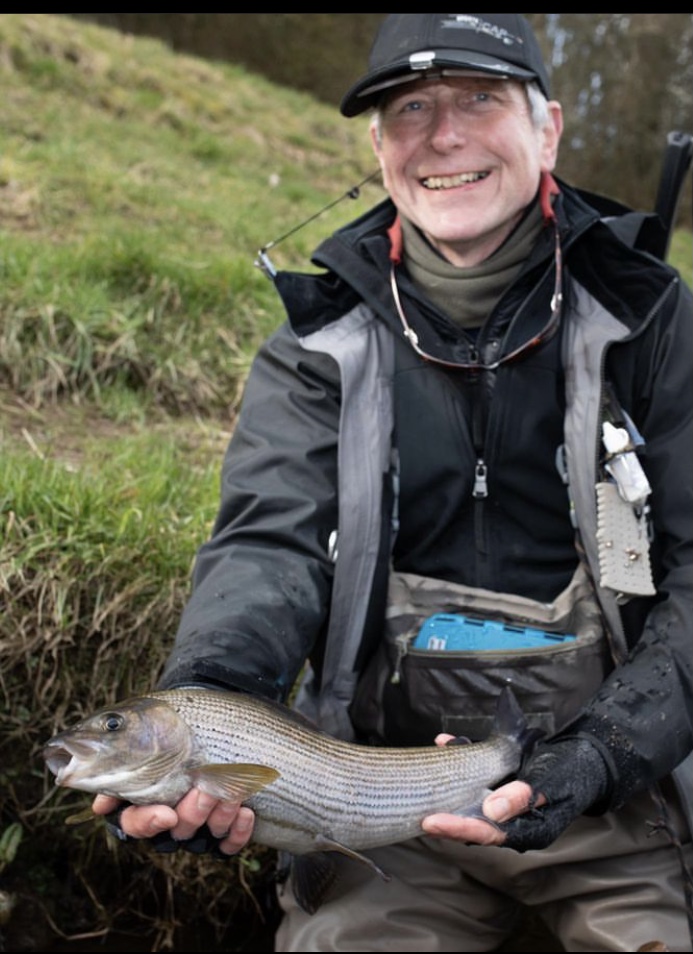
Grayling were introduced to the Tay late in the nineteenth century and spread through the main river and larger tributaries. Winter fishing is popular where permitted.
Sea trout
The main Tay has a more modest sea-trout fishery than its salmon fishery. The River Earn has historically been the strongest sea-trout tributary.
How the season changes the planning
The statutory salmon season provides the legal outer window; it does not predict catches. Early-season fishing generally involves colder water, stronger tackle and careful depth control. As water warms, floating lines and smaller flies may become suitable. Summer grilse and later fish add further possibilities, subject to flow and temperature.
Brown trout fishing normally sits within the Scottish 15 March–6 October close-time framework, although fisheries may open later or close earlier. Grayling opportunities can extend into winter where access is sold and rules allow. Do not wade over obvious salmon spawning gravel during winter grayling fishing.
Fly fishing and casting on the Tay
On larger salmon beats, double-handed rods help control long lines and make anchored casts without a large overhead back cast. Spey lines, shooting heads, sinking tips and fly size are selected for the pool, flow and season. Boat fishing may involve casting from the boat or using it to reach productive lies before fishing from bank or water.
For trout and grayling, single-handed rods, dry flies, traditional wet flies and nymph techniques may all be appropriate. The important skill is reading current seams, depth changes, foam lines and likely holding water while maintaining safe footing.
Permits, conservation and fish care
Each beat or fishery controls its own access. The Tay District Salmon Fisheries Board states that Scottish legislation requires release of all salmon caught from 15 January through 31 March. Its conservation code recommends releasing salmon and grilse throughout the season. Beat rules may add hook, method or tackle requirements.
Plan to fish catch-and-release unless explicitly told otherwise. Use adequate tackle to avoid exhausting fish, keep them supported in water, and follow the ghillie's instructions. Clean and dry waders, nets and equipment between catchments to reduce biosecurity risk.
Questions answered
When is the River Tay salmon season?
The reference season is 15 January to 15 October. Salmon fishing is not permitted on Sundays, and individual beats may apply additional restrictions.
Can beginners fly fish the Tay?
Yes, if the beat and conditions are suitable. A guide can select manageable water, provide tackle and teach safe line handling before progressing to longer casts.
Are there trout and grayling in the Tay?
Yes. The system supports wild brown trout and established grayling populations, but the right to fish for them and the available season depend on the fishery.
Do I need a boat on the Tay?
Not everywhere. Some upper sections can be fished from bank or by wading, while boats are important on many middle and lower beats.
Is catch and release required?
Early-season salmon release is statutory through 31 March. The Tay board recommends releasing salmon and grilse throughout the season, and individual beats may require it.
Sources and further research
This page distinguishes stable background information from rules that can change. For legal requirements and current river policy, use the linked primary source and the permit issued for your fishing.
- Tay Rivers: Rivers and lochs — accessed for this guide; last checked 15 August 2026.
- Tay Rivers: Angling — accessed for this guide; last checked 15 August 2026.
- Tay District Salmon Fisheries Board: Conservation code — accessed for this guide; last checked 15 August 2026.
- Scottish Government: Recreational fishing — accessed for this guide; last checked 15 August 2026.
- Fisheries Management Scotland: Catch and release — accessed for this guide; last checked 15 August 2026.