

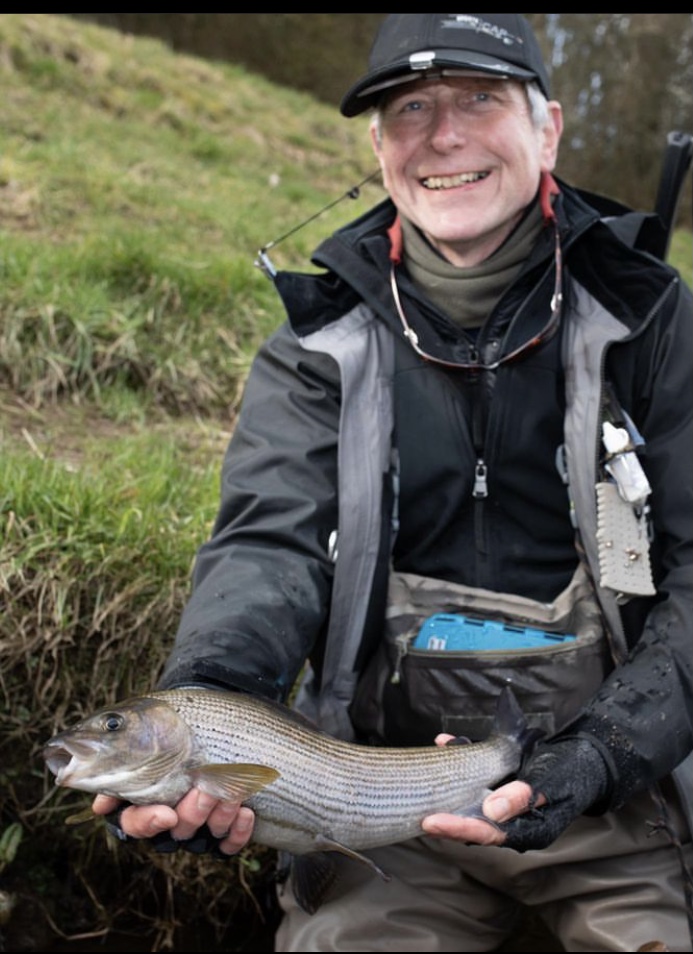
Why is the River Spey important to fly fishing?
Short answer: The Spey is a major north-east Scottish salmon river with a fast, powerful character and a 170-kilometre main stem. It is internationally associated with Spey casting: anchored change-of-direction casts that help anglers fish broad water when overhead back-cast room is limited.
The Spey catchment
The river rises in the Highlands and flows north-east to the Moray Firth. Its catchment includes upland burns, tributaries, distillery country and a main river whose speed and width vary markedly. The Spey Fishery Board, Spey Foundation and Spey Catchment Initiative work across this connected system on fisheries protection, habitat, water quality, barriers and monitoring.
For anglers, catchment scale matters because fish movement, river height and temperature do not affect every reach at the same time. Beat selection should consider travel dates, current flow, casting ability and the type of water the guest can fish safely.
Salmon, sea trout and brown trout
Atlantic salmon
Salmon are the principal sporting and conservation focus. Spring fish enter early, with summer salmon and grilse contributing later. These descriptions are broad biological and fishery patterns, not catch guarantees.
Sea trout
Sea trout are the migratory form of brown trout and historically form an important Spey fishery. They are often associated with summer and low-light fishing, but access, methods and night-fishing arrangements are beat-specific.
Brown trout
Resident trout occupy the river and tributaries. Salmon bookings do not automatically include a right to target trout, so anglers must obtain the correct permission.
What Spey casting contributes
A Spey cast uses part of the line or leader as an anchor on the water while a D-loop forms behind the rod. The forward delivery sends the line towards a new direction. Because the cast does not require a conventional aerial back cast, it suits banks with trees, high banks or other restrictions behind the angler.
The single Spey places an upstream touch-and-go anchor and is used with upstream or no wind. The double Spey is a downstream sustained-anchor cast suited to downstream wind or sinking lines. Safety comes before elegance: the fly and anchor should remain downwind of the caster.
Planning through the Spey season
The salmon season runs from 11 February to 30 September, with no Sunday salmon fishing. Cold early-season water may call for greater depth and deliberate presentation. Summer can bring smaller flies, lighter tips and sea-trout opportunities. River height and water temperature should always modify the plan.
Rod and line choice follows the beat. A full Spey line can offer controlled line management; shooting-head systems may make efficient casts with less line outside the rod tip. Scandi-style heads generally favour compact touch-and-go presentations, while Skagit-style heads are commonly paired with sustained-anchor casts and heavier tips. The guide or ghillie should match the system to the water rather than to fashion.
Current conservation and handling
Scottish law requires salmon caught before 1 April to be released. The Spey Fishery Board's policy is more protective: it asks anglers to release all fish through 31 May, all hen salmon and hen grilse throughout the season, and alternating cock fish thereafter. It also publishes size-based sea-trout release guidance.
Use strong enough leaders to land fish promptly, identify a safe landing place before fishing, prefer a rubberised net, keep fish supported in water and prepare photography before lifting anything. The board's current message is to keep salmon in the water.
Questions answered
When is the River Spey salmon season?
The reference season is 11 February to 30 September, with no salmon fishing on Sundays.
Did Spey casting originate on the River Spey?
The river is the technique's namesake and central to its development and tradition. Today Spey casts are used internationally with both single- and double-handed rods.
Which fish are found in the Spey?
The principal angling species are Atlantic salmon, sea trout and brown trout. Permission and methods vary by beat and target species.
What is the difference between a single and double Spey?
A single Spey is a touch-and-go cast with the anchor upstream; a double Spey is a sustained-anchor cast with the anchor downstream. Wind direction is a primary safety consideration.
Does the Spey require catch and release?
Statutory early-season release applies, and the Spey Board adds a detailed conservation policy. Check the current policy and beat rules before fishing.
Sources and further research
This page distinguishes stable background information from rules that can change. For legal requirements and current river policy, use the linked primary source and the permit issued for your fishing.
- Spey Fishery Board: Managing the River Spey — accessed for this guide; last checked 15 August 2026.
- Spey Fishery Board: Angling guidelines and conservation policy — accessed for this guide; last checked 15 August 2026.
- Spey Fishery Board: Salmon conservation — accessed for this guide; last checked 15 August 2026.
- NatureScot: Atlantic salmon — accessed for this guide; last checked 15 August 2026.
- Fly Fishers International: Fly-casting definitions — accessed for this guide; last checked 15 August 2026.