

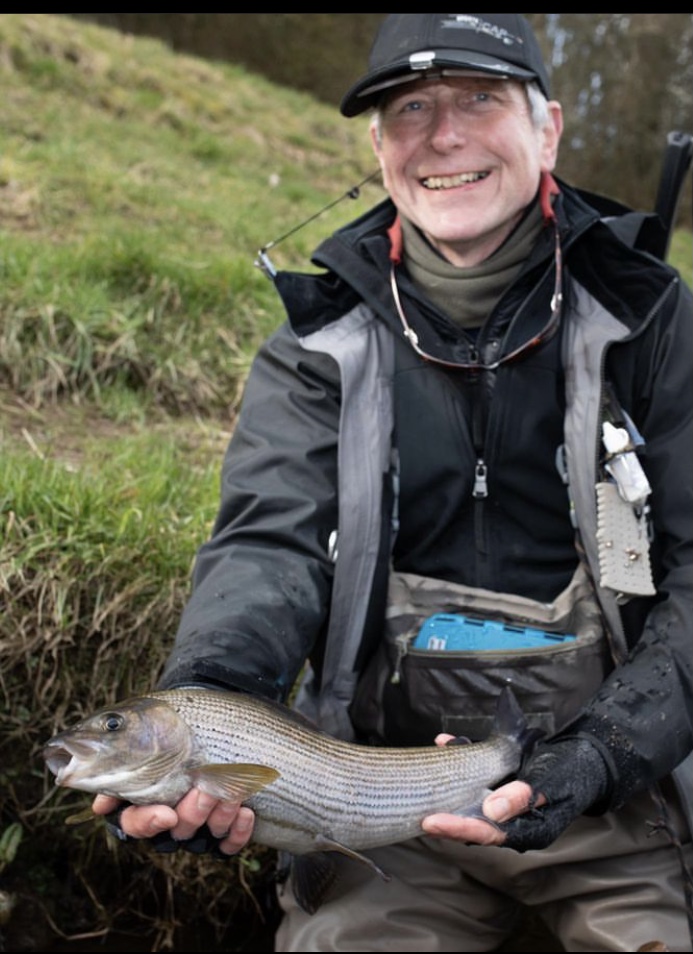
What makes the River Tweed distinctive?
Short answer: The Tweed supports Atlantic salmon and sea trout alongside a notable wild brown trout and grayling fishery. Its salmon season extends from 1 February to 30 November, while the river changes from more intimate upper water to broad lower beats where fishing from a boat is common.
Upper, middle, lower and bottom Tweed
The River Tweed Commission divides the salmon river into four broad sections. The upper river runs to the Ettrick confluence; the middle continues to the Teviot; the lower reaches the Till; and the bottom river runs from the Till to the sea.
Upper river
Upper Tweed and its tributaries can offer a more contained setting for casting and wading, although flow and bank access still vary. The area is also important for trout and grayling.
Middle river
As tributaries add water, pools broaden and salmon fishing becomes increasingly prominent. Longer casts and more systematic coverage may be useful.
Lower and bottom river
The river is broad enough that boats are frequently part of salmon fishing. A boatman manages the boat, explains the pool and supports safe, efficient fishing. Visiting anglers should not assume that boat fishing removes the need for competent casting or movement on uneven banks.
A mixed salmonid fishery
Atlantic salmon
The river's long season encompasses early fish, summer salmon and grilse, and later-running fish. Which section is most suitable changes through the year and with flow.
Sea trout
Sea trout enter the system as the migratory form of brown trout. Rules and availability differ from salmon fishing and should be confirmed locally.
Wild brown trout
The Tweed has a strong reputation for wild trout, including large fish. Hatches, water temperature and clarity influence dry-fly and nymph opportunities.
Grayling
Grayling support year-round opportunities in parts of the catchment, subject to each association's dates and rules. Winter fishing requires special care around salmon redds.
Fly-fishing approaches
Salmon fishing may use single- or double-handed rods depending on river width, height and bank. Lower beats often favour two-handed casting and controlled swings across large pools. Trout fishing can include dry flies during hatches, upstream nymphing, wet flies and streamer methods where permitted. Grayling are commonly approached with dry flies or nymphs, with winter methods adapted to cold water and deeper lies.
Spey casts are useful, but the method must fit wind direction and available space. On smaller trout water, single-hand Spey casts can reposition line without repeated overhead casting.
Different calendars for different fish
Salmon fishing runs from 1 February to 30 November and is closed on Sundays. The wild brown trout season is 15 March to 6 October, although many clubs limit it to 1 April–30 September. Grayling may be available all year, but some clubs stop at the end of September or publish separate winter arrangements.
The Tweed angling code also imposes seasonal method rules for salmon, including artificial-fly-only periods early and late in the season. Always read the current code rather than relying on a general summary.
Written permission and winter responsibility
Permission is not optional. Protection Order provisions mean written permission must be carried where required, and every association or proprietor can set additional rules. For winter grayling, give salmon anglers precedence where instructed, avoid obvious spawning areas and never “shuffle” the gravel to dislodge food; knowingly disturbing spawning beds may be an offence.
Return fish with minimal handling, use barbless hooks where required or recommended, and contribute catch information when associations request it. Angler logbooks help the Tweed Foundation assess trout and grayling stocks.
Questions answered
When is the River Tweed salmon season?
It runs from 1 February to 30 November. There is no salmon fishing on Sundays and seasonal method restrictions also apply.
Can I fish for brown trout on the Tweed?
Yes, with the correct association or proprietor permission. The statutory trout window is 15 March–6 October, but many clubs use shorter seasons.
Is grayling fishing available in winter?
It is available on some Tweed waters, subject to local permission. Anglers must avoid salmon spawning areas and follow the Tweed grayling code.
Why are boats used on the lower Tweed?
The lower river is broad, and a boat helps cover water and manage access. Local boatmen provide river knowledge and support.
Do I need written permission?
Yes where required by the fishery and Protection Order. A general right of outdoor access is not a fishing permit.
Sources and further research
This page distinguishes stable background information from rules that can change. For legal requirements and current river policy, use the linked primary source and the permit issued for your fishing.
- River Tweed Commission: Salmon fishing — accessed for this guide; last checked 15 August 2026.
- River Tweed Commission: Trout angling associations — accessed for this guide; last checked 15 August 2026.
- River Tweed Commission: Grayling angling code — accessed for this guide; last checked 15 August 2026.
- Scottish Government: Recreational fishing — accessed for this guide; last checked 15 August 2026.
- Scottish Outdoor Access Code: Fishing — accessed for this guide; last checked 15 August 2026.