

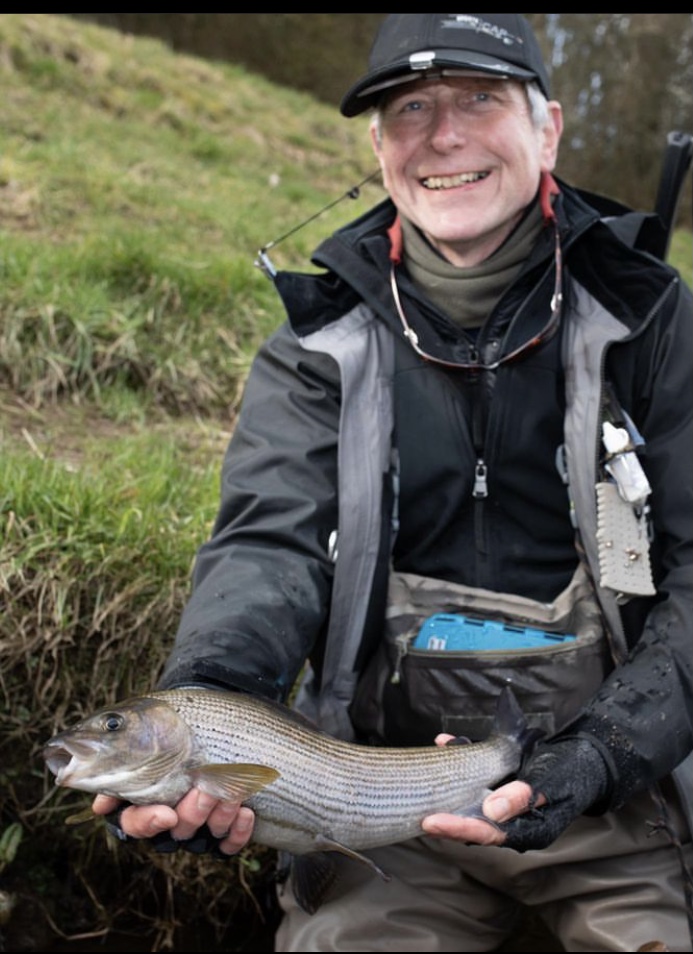
What should a visiting angler know first?
Short answer: Scotland has no single recreational rod licence, but every angler still needs the legal right or permission to fish the particular water. Salmon, sea trout, brown trout and grayling opportunities vary by catchment, season and beat. The Tay, Spey, Tweed and Aberdeenshire Dee are useful starting points because each has an established fishery, local management body and distinct river character.
Fishing in Scotland is organised through rights, beats, fisheries and angling associations. A river name alone is not a booking: two neighbouring beats may differ in permitted methods, bank access, wading, boat use, number of rods and conservation rules. This library explains the stable principles and links to the organisations that publish the current local position.
Compare seven major and additional Scottish fishing rivers
| River | Key species | Salmon season reference | Fishing character | Detailed guide |
|---|---|---|---|---|
| River Tay | Atlantic salmon, brown trout, grayling; sea trout more locally | 15 January–15 October | Scotland's largest river system; bank, wading and boat fishing vary by section | Tay guide |
| River Spey | Atlantic salmon, sea trout and brown trout | 11 February–30 September | Fast, powerful flows and a central place in two-handed casting culture | Spey guide |
| River Tweed | Atlantic salmon, sea trout, wild brown trout and grayling | 1 February–30 November | A long salmon season, broad lower river and extensive tributary network | Tweed guide |
| River Dee | Atlantic salmon and sea trout; brown trout by permission | 1 February–15 October below Aboyne Bridge; upper river closes 30 September | Clear, fast pools and runs strongly associated with fly fishing | Dee guide |
| River Annan | Atlantic salmon, brown trout, sea trout and grayling | Check the current Annan permit and board guidance | A multi-species Solway river with year-round seasonal interest | Annan guide |
| River Deveron | Atlantic salmon, sea trout and brown trout | Check the current Deveron code and fishery | Upper, middle and lower sections with rocky pools | Deveron guide |
| River Don | Wild brown trout, Atlantic salmon and sea trout | Council-managed salmon reference: 11 February–31 October | Flows from the Cairngorms to Aberdeen; renowned wild trout | Don guide |
These dates describe salmon seasons, not a promise that every beat is open on every date. Sunday salmon fishing is prohibited, opening ceremonies or calendar effects may change the first practical fishing day, and individual fisheries may operate shorter periods.
How to choose the right Scottish river
Choose by species
Start with the fish: salmon and sea trout are migratory; brown trout and grayling live in freshwater. A river famous for salmon may not sell trout fishing on the same beat.
Compare Scottish fish species →Choose by dates
Your travel window narrows the options. Spring, summer and autumn runs differ between catchments, while trout and grayling follow different legal and biological calendars.
Check seasons and permits →Choose by method
Large salmon water often suits a double-handed rod and Spey casts. Smaller tributaries and trout water may favour single-handed dry-fly, wet-fly or nymph methods.
Read the fly-fishing guide →Choose by mobility and experience
Wading depth, bank gradient, casting room and boat availability matter. Tell a guide about mobility, casting experience and preferred pace before water is selected.
Ask for a suitable recommendation →Rivers and fishing regions
Every river guide combines fishing character with current-source links. Regional pages solve a different question: where should a visitor stay and which catchments are realistic from that base?
Seasons, skills and fly selection
Itineraries, field notes and trusted delivery
Species connect the rivers to the sea
Atlantic salmon hatch in river gravels, live as juveniles in freshwater, become smolts and migrate to sea before returning with remarkable accuracy to their natal river system. Fish returning after one sea winter are generally called grilse; multi-sea-winter fish are larger salmon. Sea trout are the migratory form of brown trout: they also move between freshwater and saltwater, but generally feed in coastal areas rather than making the salmon's longer ocean migration.
Resident brown trout can occupy burns, rivers and lochs. Grayling are freshwater fish valued for dry-fly and nymph fishing, particularly on parts of the Tay and Tweed systems. Their distribution is not universal, and local permission and seasonal rules remain essential.
Fly fishing and Spey casting
Scottish river fly fishing ranges from delicate dry-fly presentations to fishing a salmon fly across a broad pool. The method should follow the river, target species and conditions rather than a fixed national formula. For salmon, the classic approach is often a controlled down-and-across swing, with line density, leader and fly selected to control depth and speed.
A Spey cast is an anchored change-of-direction cast. It is useful where there is limited room for an overhead back cast and where line must be repositioned safely across a current. Wind direction determines which side the anchor and fly should occupy. The single Spey, double Spey, snake roll and Snap-T are distinct tools rather than decorative variations.
Access, permits and responsible fishing
- No general rod licence: Scotland does not issue a single state recreational fishing licence.
- Permission is still required: obtain a permit or written authority from the holder of the fishing right.
- Outdoor access is different: rights to walk beside or paddle on water do not create a right to fish.
- Local conditions govern: beat rules can specify methods, hooks, catch-and-release, wading and fishing times.
- Salmon rules change: conservation status is reassessed, so check the current Scottish Government classification and local code.
- Fish welfare matters: use suitable tackle, minimise handling and air exposure, and stop or adapt during dangerously warm water.
Why these rivers matter to researchers
Scottish salmon rivers are not only sporting venues. They are connected freshwater and marine systems used to study migration, population structure, climate pressure, river temperature, barriers, land use and restoration. NatureScot notes that salmon occur in just under 400 Scottish river systems, while local boards and trusts monitor juvenile fish, catches, spawning redds, habitat and water conditions.
Catch statistics measure fish reported caught, not simply the number of fish present. Effort, river flow, temperature, angler behaviour and release policy affect observations. Researchers should therefore use original datasets and management reports, identify the district and period precisely, and avoid treating one beat's catch as a whole-river abundance estimate.
Questions answered
Do I need a rod licence to fish in Scotland?
No general recreational rod licence is issued in Scotland. You still need the relevant fishing right, permit or written permission for the specific water and must follow its conditions.
Which Scottish river is best for a first salmon trip?
There is no universally best river. Dates, flows, mobility, preferred fishing style and availability should determine the choice. The Tay, Spey, Tweed and Dee all offer guided opportunities with different characters.
Can I fish anywhere under Scotland's access laws?
No. Responsible access may apply along riverbanks and on inland water, but access rights do not include fishing. Fishing permission is separate.
Is Spey casting only used on the River Spey?
No. The technique is used worldwide and on many Scottish rivers. Its name and tradition are associated with the Spey, but the casts are practical wherever an anchored change of direction is useful.
Are salmon fishing dates the same throughout Scotland?
No. Annual close times vary by district, and local fishery rules or conservation measures can be more restrictive than the statutory season.
Sources and further research
This page distinguishes stable background information from rules that can change. For legal requirements and current river policy, use the linked primary source and the permit issued for your fishing.
- Scottish Government: Recreational fishing — accessed for this guide; last checked 15 August 2026.
- Scottish Outdoor Access Code: Fishing — accessed for this guide; last checked 15 August 2026.
- NatureScot: Atlantic salmon — accessed for this guide; last checked 15 August 2026.
- NatureScot: Brown trout and sea trout — accessed for this guide; last checked 15 August 2026.
- Scottish Government: Conservation of wild salmon — accessed for this guide; last checked 15 August 2026.
- Fisheries Management Scotland: Catch and release — accessed for this guide; last checked 15 August 2026.
- Tay Rivers: Rivers and lochs — accessed for this guide; last checked 15 August 2026.
- Spey Fishery Board: Managing the River Spey — accessed for this guide; last checked 15 August 2026.
- River Tweed Commission: Salmon fishing — accessed for this guide; last checked 15 August 2026.
- Dee District Salmon Fishery Board: Fish the River Dee — accessed for this guide; last checked 15 August 2026.